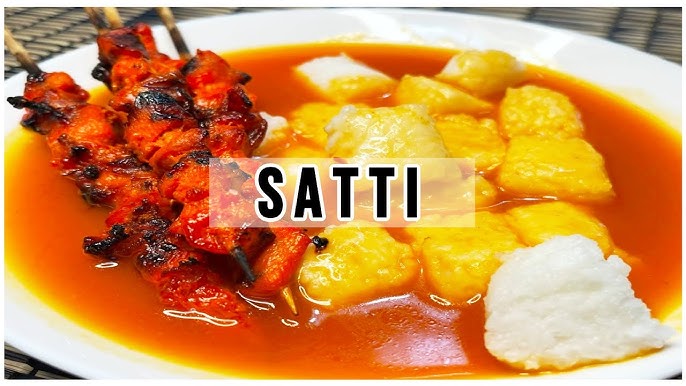
Satti: The Flavorful Skewers of Mindanao
Satti is a popular skewered dish from Mindanao, particularly favored in the Zamboanga region and by the Sama-Bajau people. Often likened to satay, but with a distinct Mindanao twist, Satti consists of grilled skewers of meat (usually chicken, beef, or pork) served with a rich, spicy, and flavorful sauce, making it a must-try for food lovers exploring the unique flavors of the region.
The combination of the smoky grilled meat and the tangy, slightly sweet, and spicy sauce creates a vibrant and satisfying meal that captures the essence of Mindanao's diverse and rich culinary culture.
What is Satti?
At its core, Satti is a dish of skewered and grilled meat served with a flavorful sauce. The meat is marinated in a blend of soy sauce, garlic, and other spices before being skewered and grilled over an open flame. What truly sets Satti apart is its signature sauce, which is often made with coconut milk, chili, garlic, and turmeric, giving it a rich, aromatic, and slightly spicy flavor that complements the grilled meat perfectly.
Satti is typically served with a side of steamed rice, pandesal (Filipino bread rolls), or sometimes puso (rice wrapped in coconut leaves). It’s often enjoyed as a hearty breakfast, lunch, or dinner, and is especially popular as a street food in Zamboanga City.
Origins and Cultural Significance of Satti
Satti has its roots in the Sama-Bajau culture, an indigenous group of people who reside in the coastal areas of Mindanao, particularly in Zamboanga, Tawi-Tawi, and the nearby Sulu archipelago. The dish is a reflection of the maritime and nomadic lifestyle of the Sama-Bajau people, who are known for their fishing and trading skills.
The influence of Muslim culture can also be seen in Satti, as it shares similarities with other Southeast Asian grilled meat dishes, such as satay from Indonesia and Malaysia. The unique combination of coconut milk, spices, and grilling techniques reflects the culinary traditions of Mindanao’s Muslim communities, where such dishes are often enjoyed in the context of communal meals and celebrations.
Satti has grown in popularity over time and is now a beloved dish throughout Mindanao. While it may have originated in the southern regions, it is now enjoyed by people across the Philippines and beyond, particularly for its convenient street food nature and mouthwatering flavor.
Why Satti is Special
What makes Satti unique is its combination of smoky grilled meat, spicy coconut sauce, and tender rice or bread. The grilling process gives the meat a rich, slightly charred flavor that contrasts beautifully with the creamy, spicy sauce. The use of coconut milk and turmeric in the sauce gives it a distinct tropical taste that you won’t find in many other skewered dishes.
Satti is also a convenient street food, making it an ideal dish for anyone who wants to grab a quick, flavorful meal on the go. The aromatic smell of grilled meat and coconut sauce often lures people to Satti stalls, especially in Zamboanga City, where it’s a popular breakfast or snack item.
Why Try Satti?
If you're exploring the rich food culture of Mindanao, Satti is a dish that you definitely shouldn't miss. The combination of grilled skewers, spicy coconut sauce, and rice is both comforting and exciting, with every bite offering layers of flavor that capture the essence of Mindanaoan cuisine. Whether you're enjoying it as a quick street snack or a meal shared with friends and family, Satti is a dish that brings people together.
Satti is also a great way to explore the culinary diversity of Mindanao. Its combination of simple ingredients and intense flavors reflects the resourcefulness and creativity of the region’s people. For anyone looking to dive into the heart of Mindanaoan food, Satti is an excellent starting point.